
Murfreesboro Mold Remediation
When moisture intrudes behind walls and subfloors, fungal colonies spread rapidly throughout porous building assemblies. Following severe storm fronts across Rutherford County, initial wind or hail breaches are frequently struck by secondary rain cells within 24 hours, turning minor decking dampness into severe interior loss. Our certified crew establishes sealed negative-pressure containment to eliminate active spores and restore structural air quality.
Active backup? (615) 555-0146.
Precision Containment And Fungal Removal
Homeowners deal with persistent mold growth in living areas caused by inadequate ventilation and struggle to identify the underlying moisture source.
Suspected toxic mold from regional humidity leads homeowners to debate hiring independent inspectors versus remediation contractors to avoid inflated quotes.
A pattern echoed in public discussions is that undetected plumbing leaks rotting bathroom subfloors force homeowners to seek trustworthy restoration advice while avoiding aggressive, unnecessary demolition.
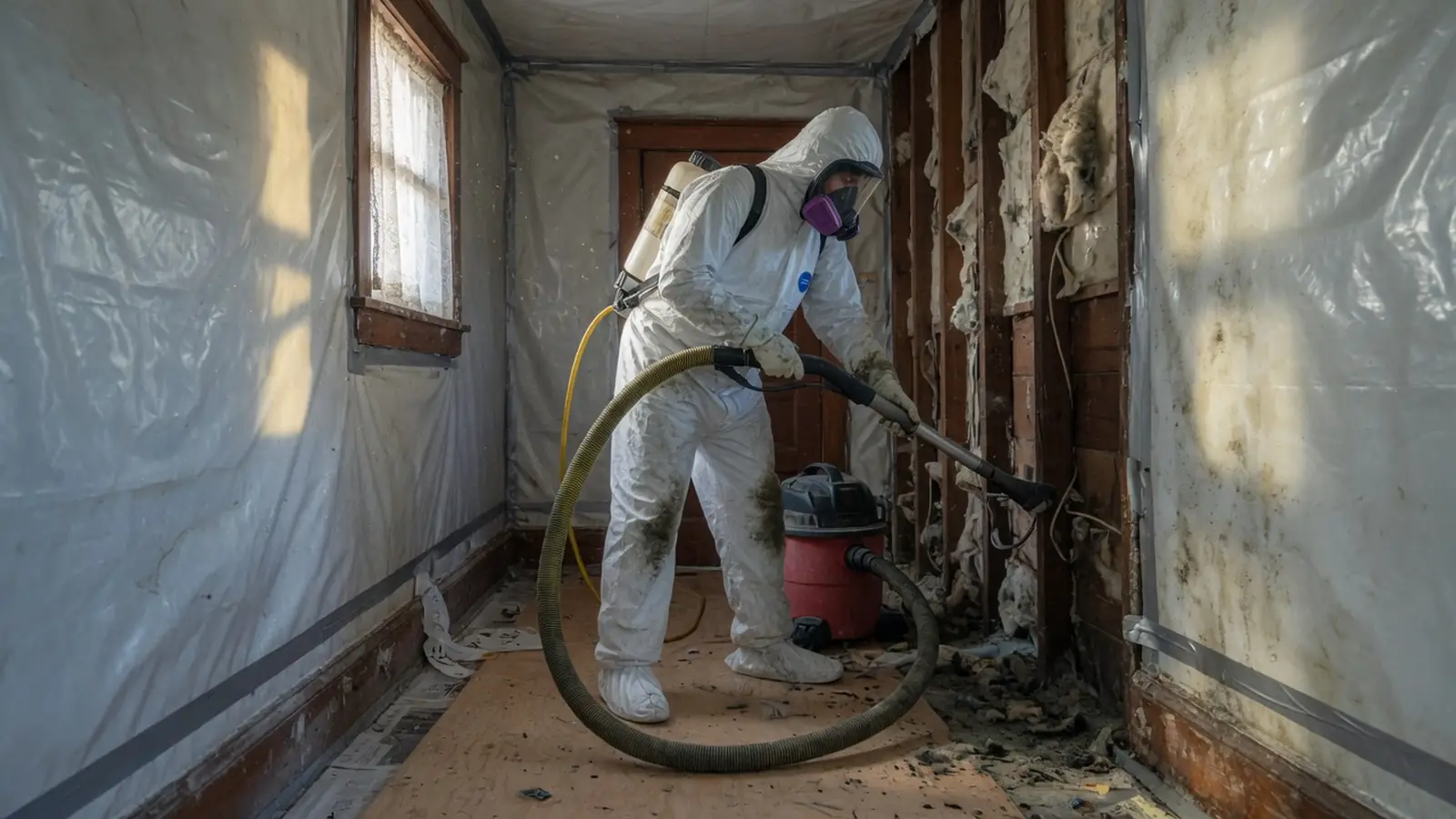
Our technicians isolate compromised zones using true poly-sheeting barriers and specialized negative-air machines so airborne particles cannot cross into clean bedrooms.
We verify moisture levels in underlying framing using calibrated non-penetrating meters before completing treatments.
We provide comprehensive mitigation, and you can explore our complete water damage restoration approach to protect your building.
Our tradespeople treat every household with direct communication, tidy job sites, and respectful scheduling.
How We Eliminate Active Spores
Certified mold remediation requires plastic poly-containment barriers and negative-pressure HEPA scrubbers to prevent disturbed fungal spores from migrating into clean living areas.
- Moisture Mapping And Source Detection. We map temperature and moisture differentials across wall cavities to pinpoint hidden leaks without punching random exploratory holes. If moisture migrates beneath the subfloor, see our detailed crawl space water mitigation techniques before rot spreads.
- Containment And Material Removal. Porous materials like drywall and acoustic ceiling tiles colonized by mold cannot be salvaged with topical sanitizers and must be removed under containment protocols. Technicians double-bag contaminated debris before transport so zero dust escapes.
- HEPA Air Scrubbing And Joist Cleaning. Negative-air scrubbers exhaust air outside while running hospital-grade HEPA filters to capture microscopic spores stirred during physical cleaning. Structural framing receives detailed hand-scraping and vacuuming across all exposed timber grain.
- Antimicrobial Treatment And Sealing. We apply commercial-grade botanical antimicrobials and specialized vapor-permeable encapsulants directly to timber framing to seal pores. As emphasized in trade video analyses, standing water must be drained via perimeter trenching or sump pumps before sealing; encapsulating over standing water traps moisture against structural floor joists.
Disciplined Containment Standards
Tennessee insurance mandates require policyholders to quickly mitigate open leaks; failing to install an emergency tarp can forfeit coverage for secondary mold and rot. When exterior building envelopes fail, learn how we handle emergency storm damage repairs to keep rain out. We adhere strictly to national restoration standards, utilizing third-party clearance testing to verify air quality before removing plastic barriers.
Attic And Roof Deck Remediation
Inadequate soffit ventilation combines with seasonal roof leaks to foster extensive wood rot on roof decking. We isolate upper living ceilings, treat sheathing with fungicidal agents, and balance exhaust pathways to stop condensation cycles.
Bathroom Subfloor Decontamination
Slow pan leaks and toilet flange failures seep moisture beneath tile into structural subfloors. We isolate bathrooms, selectively strip rotted wood layers, and sterilize structural joists without tearing apart unaffected adjoining rooms.
Crawl Space Fungal Remediation
Humid ground air condenses on subfloors, fostering thick fungal growth along crawl space joists. We clean contaminated joists, install heavy vapor retarders, and condition foundational air to preserve structural lumber.
Our Commitment To Safe Indoor Living
We approach every microbial contamination project with disciplined containment methods, honest assessments, and objective moisture verification so families can breathe clean indoor air.
- 12Zip Codes Served
- 8Service Areas
- 3Services Offered
Read honest feedback from regional property owners who relied on our team for prompt containment, clear communication, and verified clearance.
“When our clearance air testing came back, the inspector approved the entire containment setup on the very first walk-through. The crew had every poly barrier sealed and maintained negative pressure exactly as required by local protocol. Their precision prevented costly reinspections and let our family return upstairs without delay.”
Marcus T.
“Daily photo logs arrived on my phone every single afternoon without me ever having to ask. The team sent moisture readings and air scrubber run-times before leaving the property each evening. Knowing exactly what was happening behind the containment plastic gave us complete peace of mind.”
Elena R.
“Instead of tearing out our solid subfloor framing, the crew showed us how dry-ice blasting and an antimicrobial sealant would eliminate the embedded hyphae safely. That honest recommendation saved us several thousand dollars in structural lumber replacement while protecting the structural integrity. Their explanation was thorough and backed by moisture meter readings.”
Darren K.
“Severe overnight thunderstorms knocked out neighborhood power right in the middle of our remediation schedule. The team brought in auxiliary generators within hours to keep the HEPA filtration equipment running continuously without losing critical negative pressure. They adjusted their weekend hours and still finished the job right on the original schedule.”
Patricia W.
Frequently Asked Questions
Does household bleach kill mold on subfloor structural framing?
Bleach cannot kill mold roots inside porous wood framing because water remains on the surface while chlorine evaporates, leaving active fungi intact. Structural framing requires mechanical removal such as sanding or blasting followed by deep-penetrating EPA-registered antimicrobials.
Should homeowners hire an independent inspector or a remediation contractor?
Hiring an independent tester provides unbiased clearance verification, while certified remediators execute containment and demolition protocols. Keeping testing and physical remediation separate prevents conflicts of interest and ensures objective pre- and post-remediation air quality metrics.
Can colonized drywall and acoustic ceiling tiles be saved?
Porous materials colonized by fungal growth cannot be salvaged with topical sanitizers and must be removed under strict containment protocols. Once mold hyphae penetrate cellulose cores, surface treatments cannot neutralize deep fungal growth without ongoing spore release.
How long does a professional mold remediation project take?
Most residential remediation projects require two to five days to complete containment, controlled demolition, HEPA scrubbing, and air testing. Severe crawl space or attic contaminations requiring structural framing blasting may require additional dry-time and clearance sampling days.
Does homeowners insurance cover mold removal after water damage?
Coverage typically applies when mold stems from sudden pipe bursts, provided policyholders promptly mitigated open moisture sources under rules. Most policies exclude gradual deterioration, persistent high humidity, or secondary rot that developed due to unaddressed roof leaks.