
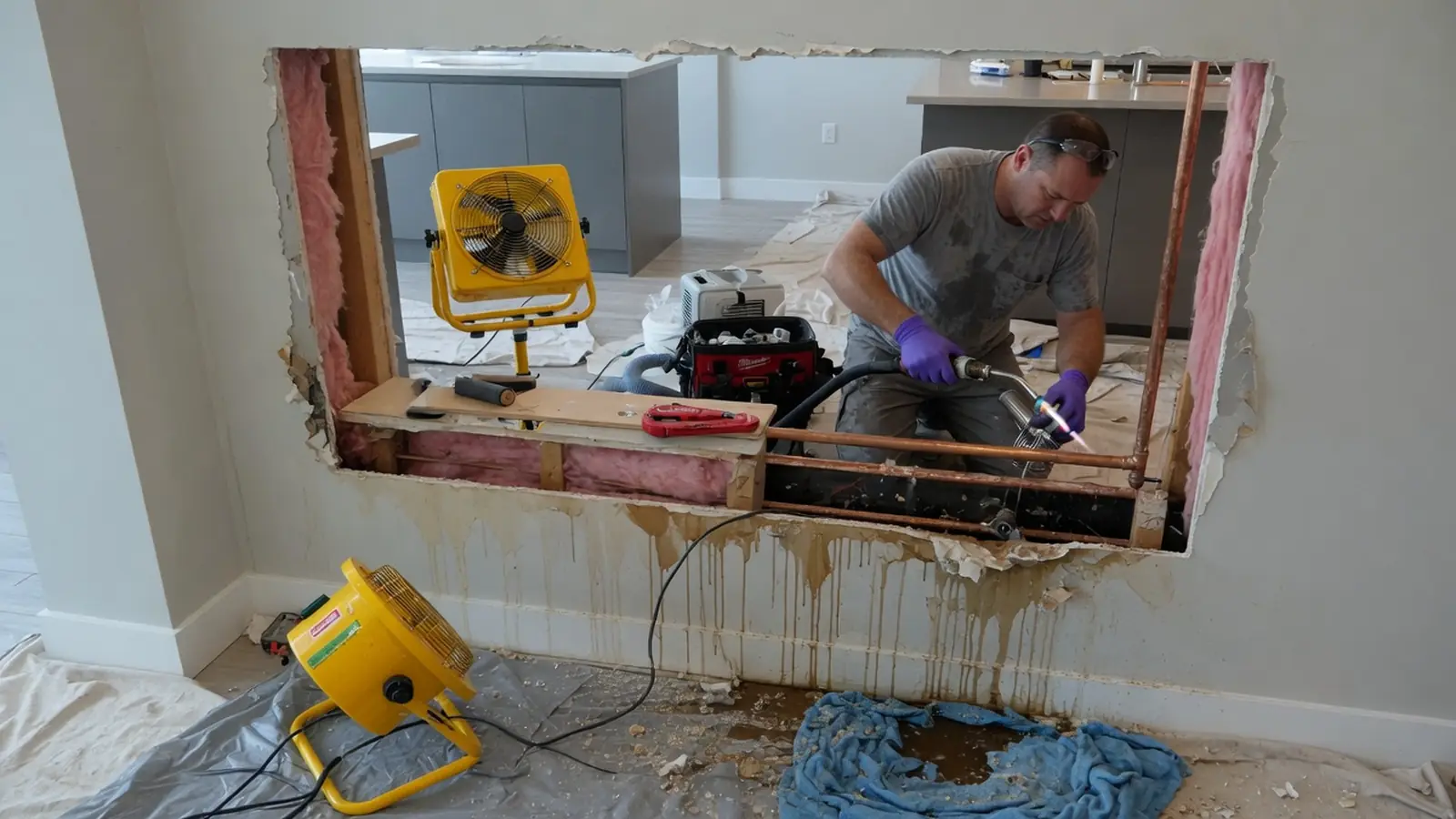
Murfreesboro Crawl Space Water
Standing water and damp ground under your home can quickly compromise framing and indoor air quality. High crawl space humidity and elevated timber moisture leave homeowners questioning whether full vapor barrier encapsulation and commercial dehumidifiers are necessary. Our specialized drying protocols remove standing moisture, isolate structural timber, and stabilize humidity beneath your living spaces.
Proven Subfloor Moisture Solutions
Murfreesboro's dense clay subsoils drain slowly after heavy rain, creating hydrostatic pressure that forces ground saturation through unsealed crawl space foundation walls.
When water accumulates beneath floor joists, homeowners deal with persistent mold growth in living areas caused by inadequate ventilation and struggle to identify the underlying moisture source.
We begin every project with detailed structural moisture mapping and digital hygrometer inspections across the subfloor framing.
If you have concerns about mold spreading to your upper floors, our comprehensive mold remediation options address active airborne spores and structural contamination.
Our crew thoroughly extracts ground water, sanitizes affected lumber, and installs long-term moisture barriers to safeguard your foundation.
Systematic Crawl Space Water Removal
Recurring crawl space pooling during seasonal downpours pushes homeowners to compare trenching options and sump pump installations, which is why our systematic process targets both immediate water removal and permanent moisture control.
- Water Extraction And Perimeter Drainage. Standing water must be drained via perimeter trenching or sump pumps before sealing; encapsulating over standing water traps moisture against structural floor joists. As seen in recurring drainage issues after storms, our rapid storm damage water extraction process removes deep pooling before any lining is secured.
- Heavy-Duty Encapsulation Barrier. Hardware store plastic tears easily during maintenance; true moisture cutoff requires 12 to 20 mil reinforced polyethylene sealed to foundation walls and piers. We custom-fit puncture-resistant liners across the entire earthen footprint, anchoring them securely with mechanical fasteners and masonry tape.
- Complete Vent And Rim Joist Sealing. In humid subtropical climates, open crawl space vents pull in excessive ambient moisture rather than venting it, necessitating complete vent and rim joist foam sealing. Our technicians seal every exterior vent cover and perimeter rim joist with closed-cell spray foam to block outdoor humidity.
- Dedicated Dehumidification And Monitoring. Sealing alone cannot prevent condensation from temperature shifts; a crawl-space-rated dehumidifier is required to keep humidity below active mold-growth levels. We install continuous, energy-efficient drying systems with dedicated condensate drainage lines to maintain wood moisture well below critical thresholds.
Engineered Crawl Space Protection
We hold our workmanship to the highest trade standards by using reinforced commercial-grade vapor barriers, heavy-duty mechanical fasteners, and dedicated crawl space dehumidifiers. Homeowners frequently note that a pattern echoed in public discussions is the risk of cutting corners with thin plastic, which always fails when plumbers or inspectors crawl underneath. For complete peace of mind, rely on our emergency water damage restoration services to protect your foundation and structural timber without compromise.
Subfloor Structural Drying
We extract standing ground water and utilize commercial air movers to dry saturated floor joists, subfloor sheathing, and foundation sill plates. Our team monitors timber moisture daily until equilibrium is restored.
Sump Pump And Trench Drainage
Interior perimeter trenches and heavy-duty sump pump basins capture groundwater seepage before it reaches your subfloor framing. We install reliable discharge lines to move water safely away from the foundation.
Vapor Barrier Encapsulation
We isolate your home from damp soil using 12 to 20 mil reinforced polyethylene liners sealed tightly to masonry walls and support piers. Complete sealing stops soil moisture from evaporating into your living spaces.
Dedicated Moisture Control Standards
Every crawl space moisture problem requires engineered solutions tailored to local soil conditions and foundation structures. We focus on dependable water extraction, structural timber drying, and lasting moisture barriers that protect your home from the ground up.
- 11Zip Codes Served
- 8Service Areas
- 3Services Offered
Read genuine feedback from local property owners who trusted our crawl space extraction and structural drying specialists to protect their subfloors, stabilize indoor air quality, and eliminate groundwater intrusion.
“Our elderly rescue dog was terrified of loud equipment, so the crew kept their vacuums away from the main hallway and closed every crawl hatch promptly. They worked quietly under the living room without disrupting my mother's daily routine upstairs. The whole team treated our home and pets with tremendous care and consideration.”
Marcus T.
“We had a cheaper quote from an unlicensed handyman who suggested just laying basic plastic sheets over the mud. The crew explained why trapping moisture without extraction would rot our joists, so we hired them to install proper drainage and heavy reinforced polyethylene instead. Their thorough approach saved our foundation from catastrophic long-term damage.”
Brenda K.
“City inspectors checked our electrical disconnect for the new commercial sump pump, and the crew had every wire and ground rod installed exactly to code on the first pass. The inspector passed everything immediately without requiring any revisions. It gave us huge peace of mind knowing the entire drainage setup met local standards.”
Devon W.
“Late on a Sunday evening, water started backing up into our foundation access during a torrential storm. The crew answered our call within minutes and dispatched a technician with a submersible pump before midnight. Having someone respond so fast over the weekend prevented our subfloor from absorbing gallons of dirty water.”
Hannah G.
Frequently Asked Questions
Can opening foundation vents help dry out a soaked crawl space, or will humid Middle Tennessee outdoor air make wood moisture worse under the subfloor?
Opening foundation vents worsens subfloor moisture because humid Middle Tennessee outdoor air condenses against cooler subfloor wood framing. In humid subtropical climates, outdoor air brings in excessive ambient moisture rather than venting it, necessitating complete vent and rim joist foam sealing. Sealing the vents and running a dedicated dehumidifier is required to protect structural floor joists.
How much standing water in a crawl space requires professional extraction?
Any visible standing water or ground pooling requires immediate extraction before moisture penetrates structural floor joists and causes mold. Standing water produces high vapor pressure that saturates wooden framing. Standing water must be drained via perimeter trenching or sump pumps before sealing; encapsulating over standing water traps moisture against structural floor joists.
How long does crawl space water extraction and structural drying take?
Crawl space water extraction and structural drying typically take two to four days depending on soil saturation and timber moisture levels. Pumping out standing water takes several hours, while deep structural drying of wet floor joists and subflooring requires commercial air movers and dehumidifiers running continuously.
Why is heavy reinforced polyethylene necessary instead of standard plastic sheeting?
Heavy reinforced polyethylene prevents tears during crawl space maintenance, ensuring a durable, permanent cutoff against rising ground moisture. Hardware store plastic tears easily during maintenance; true moisture cutoff requires 12 to 20 mil reinforced polyethylene sealed to foundation walls and piers.
Will crawl space water damage cause mold to grow inside my living areas?
Crawl space water damage frequently causes indoor mold growth as humid air and airborne spores rise upward through flooring penetrations. Because of the stack effect, up to half of the air on your first floor originates in the crawl space. Homeowners deal with persistent mold growth in living areas caused by inadequate ventilation and struggle to identify the underlying moisture source until the crawl space is remediated.